Panasonic Energy Puts Solid-State Batteries in High-Temperature Sensors Before EVs: Sample Shipments From October
Panasonic Energy has developed a prismatic solid-state battery that withstands 150°C, and will begin sample shipments between October and December 2026. Solid-state batteries are usually discussed as a technology for electric vehicles, yet the first real application the company…
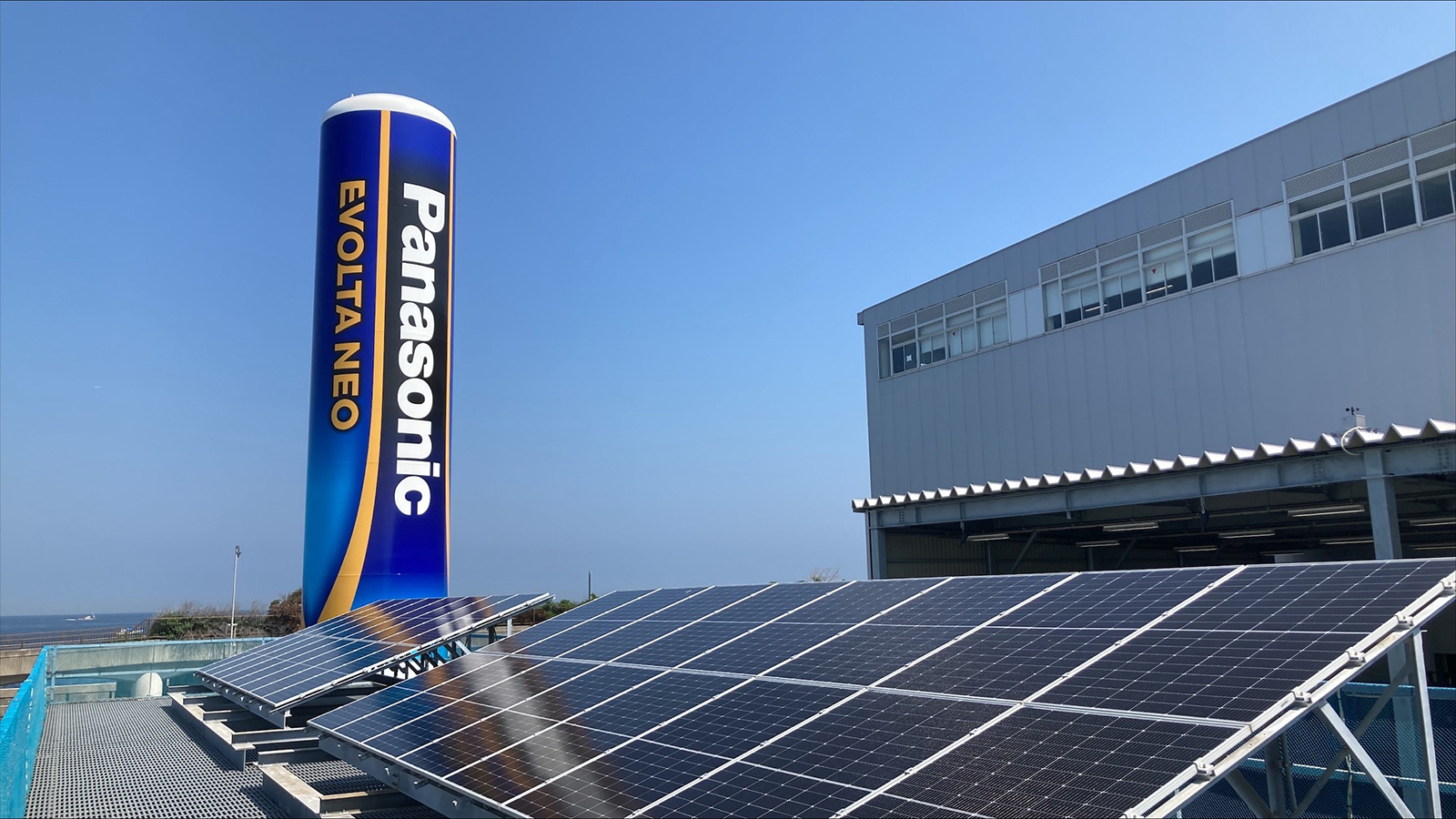
Panasonic Energy has developed a prismatic solid-state battery that withstands 150°C, and will begin sample shipments between October and December 2026. Solid-state batteries are usually discussed as a technology for electric vehicles, yet the first real application the company has chosen is small, high-temperature uses such as factory-equipment control units and in-vehicle sensors. Rather than the mass-market EV battle over capacity and cost, it is entering where conventional lithium-ion batteries physically cannot operate.
Key points
- Panasonic Energy has developed a prismatic solid-state battery and will start sample shipments in October–December 2026.
- It endures 150°C for an average of 100 hours — up from the maximum 125°C of the coin-type cell shown in 2025.
- Target uses are high-temperature, small-scale applications such as factory-equipment control units and in-vehicle sensors, where liquid-electrolyte batteries cannot be used.
- The company's chief technology officer says EV adoption of solid-state cells is "still some way off"; the strategy is to build a track record in industrial and sensor uses first.
A prismatic cell rated to 150°C, sampling from October
Shoichiro Watanabe, chief technology officer of Panasonic Energy, disclosed the plan on 9 September at a secondary-battery exhibition in Chiba. In solid-state batteries — which replace the liquid electrolyte with a solid one — the company has developed a new prismatic type. It is a small cell of around one centimetre and endures an average of 100 hours at 150°C. Sample shipments are scheduled for October to December 2026.
In September 2025 the company had said it would sample a coin-type solid-state cell in fiscal 2026, then rated to a maximum of 125°C. It has now raised that to 150°C and added a prismatic form alongside the coin type. The intended uses are small devices exposed to heat, such as factory-equipment control units and in-vehicle sensors.
What has been disclosed, however, stops at the operating temperature, the endurance figure and the intended uses; the cell's capacity, output, service life and price have not been given. This is the sample-shipment stage, not mass production.
Entering where liquid electrolytes fail, not the EV race
Most coverage of solid-state batteries centres on EVs, where replacing the liquid electrolyte promises gains in range, charging speed and safety. But Panasonic Energy's first application is not the EV. Its CTO has said EV adoption of solid-state cells is "still some way off", and that liquid-based batteries still have room to improve.
Instead, the target is high-temperature, small-scale uses that conventional lithium-ion cells struggle to serve. Batteries with a liquid electrolyte generally cannot run reliably above about 120°C, as the electrolyte breaks down or swells. Solid-state cells use no flammable liquid electrolyte, making them structurally easier to give heat resistance and safety. Factory-equipment control units, sensors near vehicle engines and sensors working in hot conditions have all run into exactly this temperature limit.
The prismatic form is part of the same aim. A coin cell offers little freedom in how it is mounted and constrains the device around it, whereas a prismatic cell is easier to place on a board or in a housing and suits designs built into control units and sensor modules. The move looks less like a simple gain in heat resistance than a bid to widen where the cell can be fitted — going first for the small niches liquid batteries cannot reach, rather than the EV market head-on.
What it could change on the factory floor
For the plant, the battery matters most for sensor power. As predictive maintenance spreads, there is demand to place vibration and temperature sensors even on hot spots such as the surroundings of industrial furnaces and heat-treatment furnaces, or near a machine tool's spindle. But such places are hard to wire, and existing batteries lose much of their life in heat. Today these are covered by wired power or high-temperature primary (non-rechargeable) batteries, where installation effort and replacement frequency have been the sticking points.
If a small rechargeable cell that holds up in heat becomes available, wiring-free sensors could be added in such spots. The competitors are existing options — wired power, high-temperature primary batteries and energy harvesting (drawing electricity from vibration or heat). Whether the solid-state cell is worth it on replacement frequency and cost against those will decide adoption. It is a technology best read in the context of how far a plant can cut wiring from its sensing, rather than as battery performance alone. Still, with capacity, replacement frequency and price undisclosed, any advantage is unproven for now.
A standalone niche, or a test-bed for EV solid-state?
Two questions matter from here. The first is how much service life the "150°C, average 100 hours" figure translates into under continuous or repeated use in real equipment. The test conditions and capacity-retention rate have not been disclosed, and since industrial machinery and sensors demand long-term reliability, the gap between catalogue value and field endurance will be tested. Which equipment makers move to adopt the cell after sampling, and at what scale, will decide whether it stands up as a business.
The second is how this small, high-temperature venture is positioned. In EVs, Toyota and other makers are competing to mass-produce solid-state cells from 2027 onward. How far Panasonic Energy can carry the shipment record and manufacturing experience it builds in small, industrial uses over to larger cells is something the company has not spelled out, and cannot yet be judged. Whether the high-temperature niche becomes a profitable business in its own right, or remains a proving ground for EV-grade solid-state cells — the near-term interest lies in which way this small first step grows.