One-Setup Five-Axis Machining for Medical Parts: Japan's Shibaura Machine Launches the "VM-450A(5)"
Japan's Shibaura Machine has launched the "VM-450A(5)", a precision machining centre (MC) built around simultaneous five-axis cutting. The company is pitching it at medical and automotive optical-component machining in North America and Japan, selling the ability to take a part…
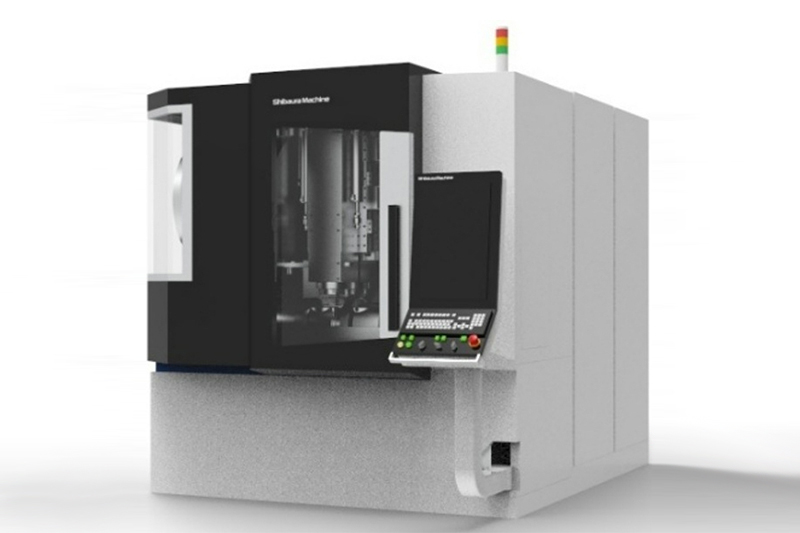
Japan's Shibaura Machine has launched the "VM-450A(5)", a precision machining centre (MC) built around simultaneous five-axis cutting. The company is pitching it at medical and automotive optical-component machining in North America and Japan, selling the ability to take a part from blank to finished shape in a single setup. An annual target of 20 units points to a focus on specialised, low-volume work; the real question is whether precision machining can take over high-accuracy niches still handled by hand polishing and electrical discharge machining.
Key points
- Shibaura Machine (known as Toshiba Machine until 2020) has released the precision MC "VM-450A(5)", with linear motors on its three linear axes and direct-drive (DD) motors on a two-axis rotary table.
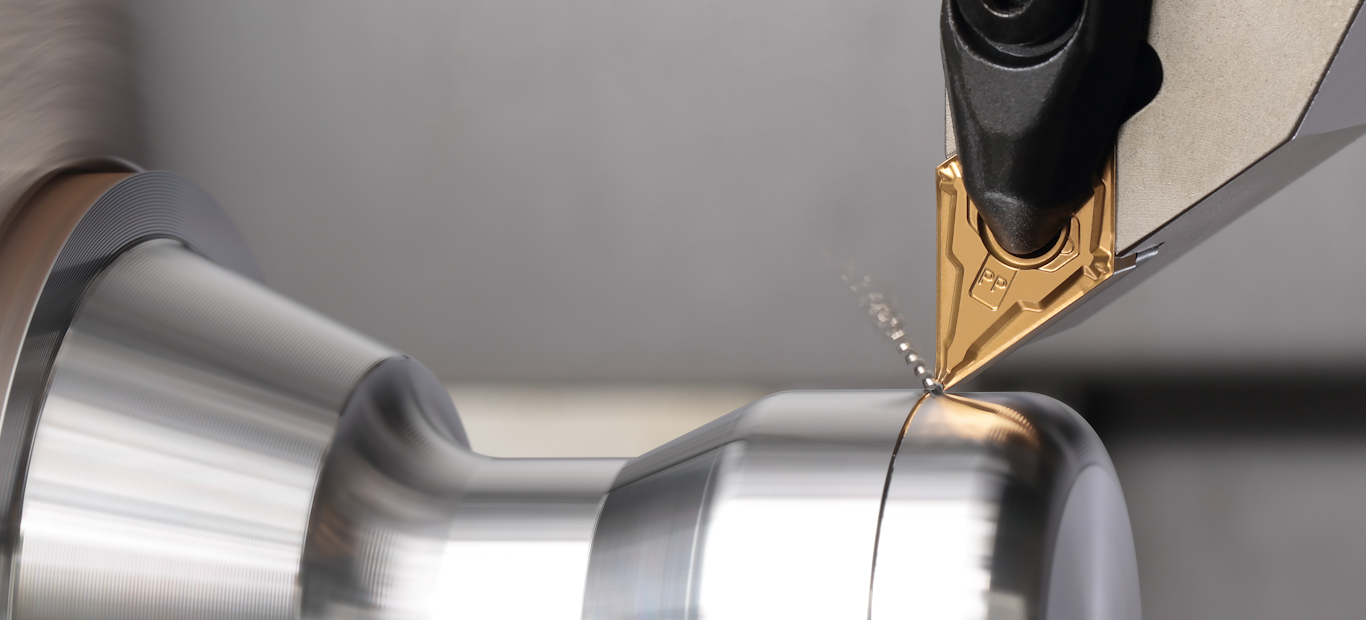
- The machine cuts a part from blank to final shape without changing the setup, pairing high precision with high speed, according to the company.
- Its target markets are medical and automotive optical work in North America and Japan, with North American medical machining singled out as the most promising.
- The company sees it as suited to machining contact lenses, medical robots and artificial joints.
- The sales target is 20 units a year. The machine makes its public debut at JIMTOF2026, which opens at Tokyo Big Sight on 26 October 2026.
Replacing hand polishing and EDM in medical machining
The "VM-450A(5)" is a simultaneous five-axis precision MC that cuts a part from raw stock to finished shape on a single machine. Shibaura Machine, known as Toshiba Machine until 2020, is a Japanese machine-tool and industrial-equipment maker with its own line of ultra-precision machining centres.
The company lists medical and automotive optical work in North America and Japan as its target markets, and singles out North American medical machining as the most promising. In medical-part production, it says, finishing is often still done by hand polishing or by shaping with electrical discharge machining (EDM), a process that erodes metal with electrical sparks rather than a cutting tool. Shibaura Machine judges that there is demand to consolidate such work onto a single precision MC. It points to contact lenses, medical robots and artificial joints as candidate applications: low in volume, but demanding in form accuracy and surface quality.
Why aim first at low-volume, high-precision work
Medical and optical parts are not made in the quantities of mass-produced goods, yet they place extreme demands on accuracy and surface finish. Such work has traditionally been handled by slow processes such as EDM and hand finishing, or by dedicated machines. A general-purpose vertical MC often cannot reach the required accuracy, while an ultra-precision machine is more capability than the job needs. Between the two sits a precision MC that can cut the whole part in five-axis motion.
The more a part is split across several machines and setups, the more positioning error from re-fixturing and variation from manual handling accumulate. Finishing a part from blank to final shape in a single setup reduces that accumulation of error. Shibaura Machine's emphasis on single-setup machining is best read as an attempt to answer two things at once: the repeatability that medical and optical work demands, and the heavy setup cost of high-mix, low-volume production.
What the linear-motor and direct-drive layout means
The "VM-450A(5)" uses linear motors on its three fast-moving linear axes and DD motors on a two-axis rotary table. In both, the drive source moves the axis or table directly, without a rotary motor working through a ball screw or gears.
Conventional drives that run through a ball screw (a screw shaft and nut in which circulating balls convert rotation into linear motion) or gears tend to be limited in positioning accuracy and service life by backlash, the play in the mesh, and by wear. Linear and DD motors remove those mechanical elements, so positioning can stay steadier at high speed and fine control of angle and position becomes easier. In simultaneous five-axis cutting, the tool and workpiece are tilted continuously as the part is machined, so each axis's tracking accuracy shows up directly on the machined surface. The choice of drive is a design decision aimed squarely at the surface quality that medical and optical parts require.
The "VM-450A(5)" can also use software and machining programmes developed for the company's "UVM" ultra-precision MC series. Where users can carry over the machining programmes and control built up for the ultra-precision machines, they can cut the time and effort of getting the new machine into production. Rather than selling the machine as a standalone product, Shibaura Machine positions it as an extension of its ultra-precision line, and that is the defining feature of the layout.
What a 20-unit target says about the sales approach
The sales target is 20 units a year. This is not a general-purpose machine built for volume, but one aimed at the high-precision applications of medical and optical work. Price and production capacity have not been disclosed, so profitability cannot be read from the figure; what is clear is the design intent of entering a technically demanding, high-barrier application with a precision MC that can draw on ultra-precision assets.
Japanese machine-tool makers are increasingly differentiating on accuracy, reliability and process-engineering support as Chinese competitors press harder on price. The "VM-450A(5)" sits within that pattern. What counts here is less the headline spec of any single machine than how much of the shop-floor process it can take over in one step. For a parts maker that has relied on hand finishing and EDM, swapping in a new machine means changing machining programmes, fixtures and quality-assurance practice. Being able to use the ultra-precision line's assets lowers the cost of that switch.
What to watch: the JIMTOF debut and the move from pitch to orders
The first test comes at JIMTOF2026, the biennial Tokyo show that is one of the world's largest for machine tools, where buyers from Japan and abroad size up the latest machines. It opens at Tokyo Big Sight on 26 October 2026, and Shibaura Machine will unveil the physical VM-450A(5) there for the first time. How medical and optical users judge the single-setup pitch against actual machined samples is the question.
North American medical work is, for now, a proposal and an expectation rather than booked business; the orders are still to come. Against the 20-unit target, where the first year's orders land, North America or Japan, medical or optics, will give the first indication of the machine's market position. Concrete figures such as machining accuracy, workpiece size and cycle time compared with the processes it is intended to replace are also worth checking once the machine is shown. How far precision five-axis machining can take over work still done by EDM and hand finishing is a question that the order mix after JIMTOF will begin to answer.