Japan's DMG MORI Plans ¥14 Billion Polish Foundry to Strengthen Its European Supply Chain Beyond 2030
Japan's DMG MORI, a major machine tool maker, plans to invest about ¥14 billion in a new plant in Poland to cast the iron parts that form the structural frame of its machines. The plant will have capacity of up to 20,000 tonnes a year and is scheduled to start production in…
Japan's DMG MORI, a major machine tool maker, plans to invest about ¥14 billion in a new plant in Poland to cast the iron parts that form the structural frame of its machines. The plant will have capacity of up to 20,000 tonnes a year and is scheduled to start production in 2030. The company's order backlog has swollen to ¥303 billion, but the foundry is not a quick fix for that backlog. It is a long-term investment that brings casting in-house in Europe and strengthens the company's supply chain for 2030 and beyond.
Key points
- What: A new foundry in central Poland. Investment of about ¥14 billion, capacity of up to 20,000 tonnes a year, production scheduled to start in 2030
- What is new: For the first time in Europe, the company will cast its own structural machine parts. Its existing plant in the same town has machined castings, not produced them
- Funding: ¥14 billion comes from the August share issue (estimated net proceeds of ¥47.7 billion). The stated aims are a more resilient supply chain and lower CO₂ emissions
- The timing gap: The order backlog has reached ¥303 billion, but the new plant will not run until 2030. It is not a remedy for the current backlog
- The open question: How much outside procurement can 20,000 tonnes a year replace, and by how much could it reduce CO₂ emissions?
In-house castings in Poland, with production planned for 2030
DMG MORI will build a plant to produce castings for machine tools in Pleszew, central Poland. The investment is about ¥14 billion. The plant will have a total floor area of more than 27,000 square metres and capacity to produce up to 20,000 tonnes of castings a year. Construction is scheduled to start in 2026, with production planned for 2030. The aim is to raise the in-house share of key components and stabilise the supply chain.
Castings are parts made by pouring molten iron into moulds. In machine tools, they form the main structural elements: the bed (base), the column and the saddle (moving table). Cast iron is generally regarded as a material that absorbs vibration well and underpins a machine's rigidity and stability.
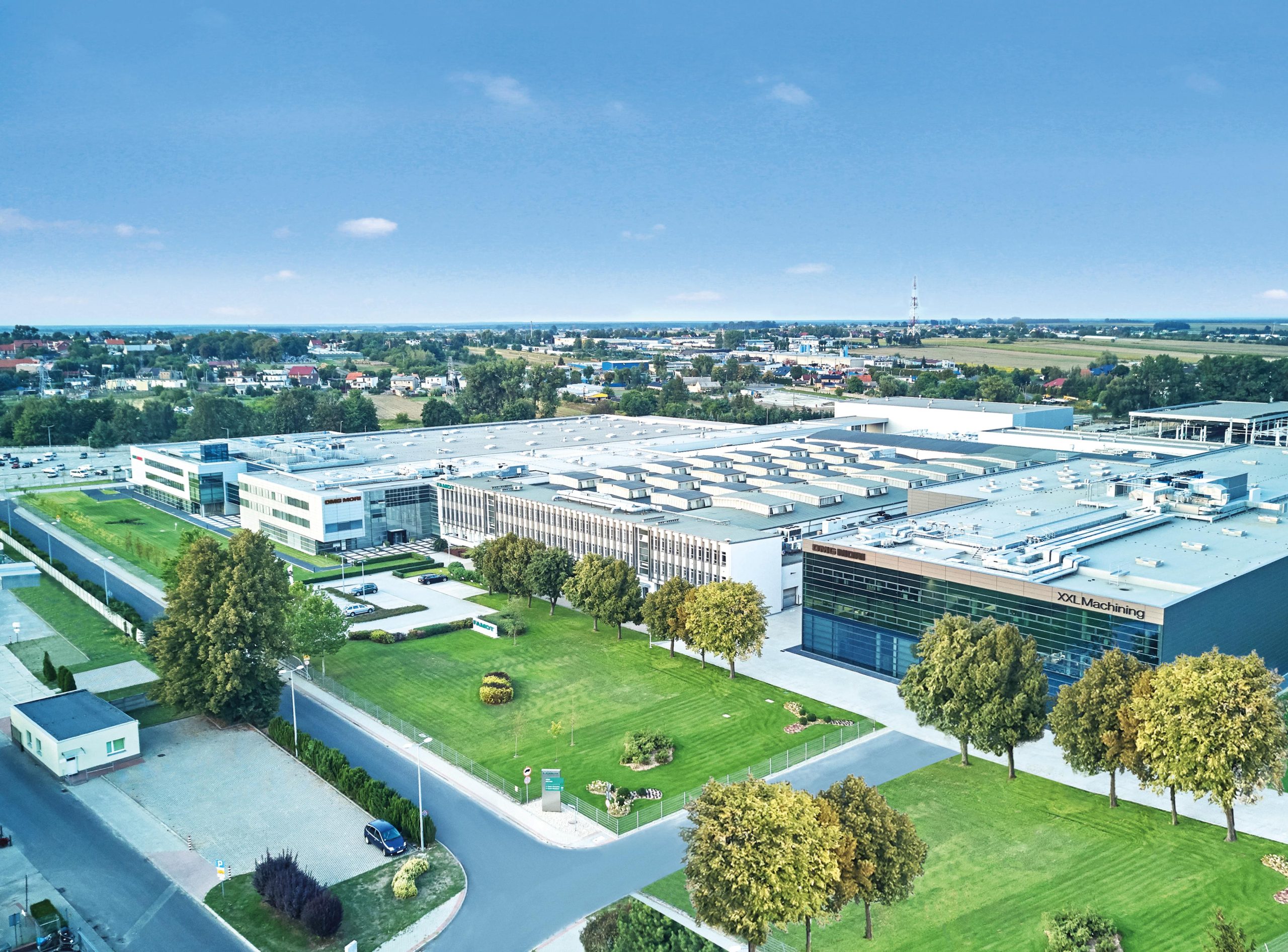
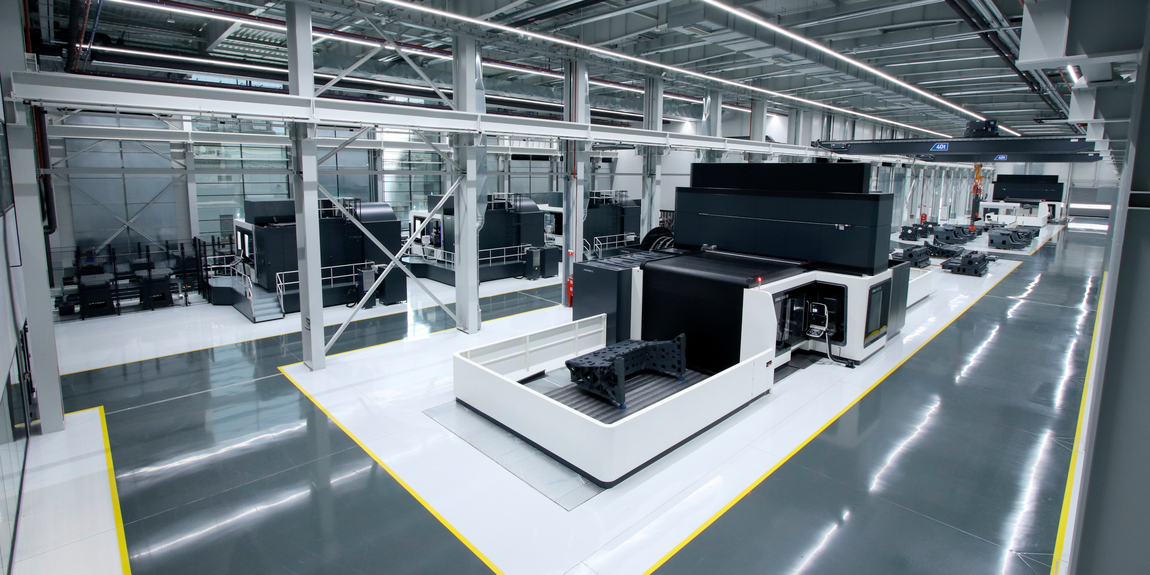
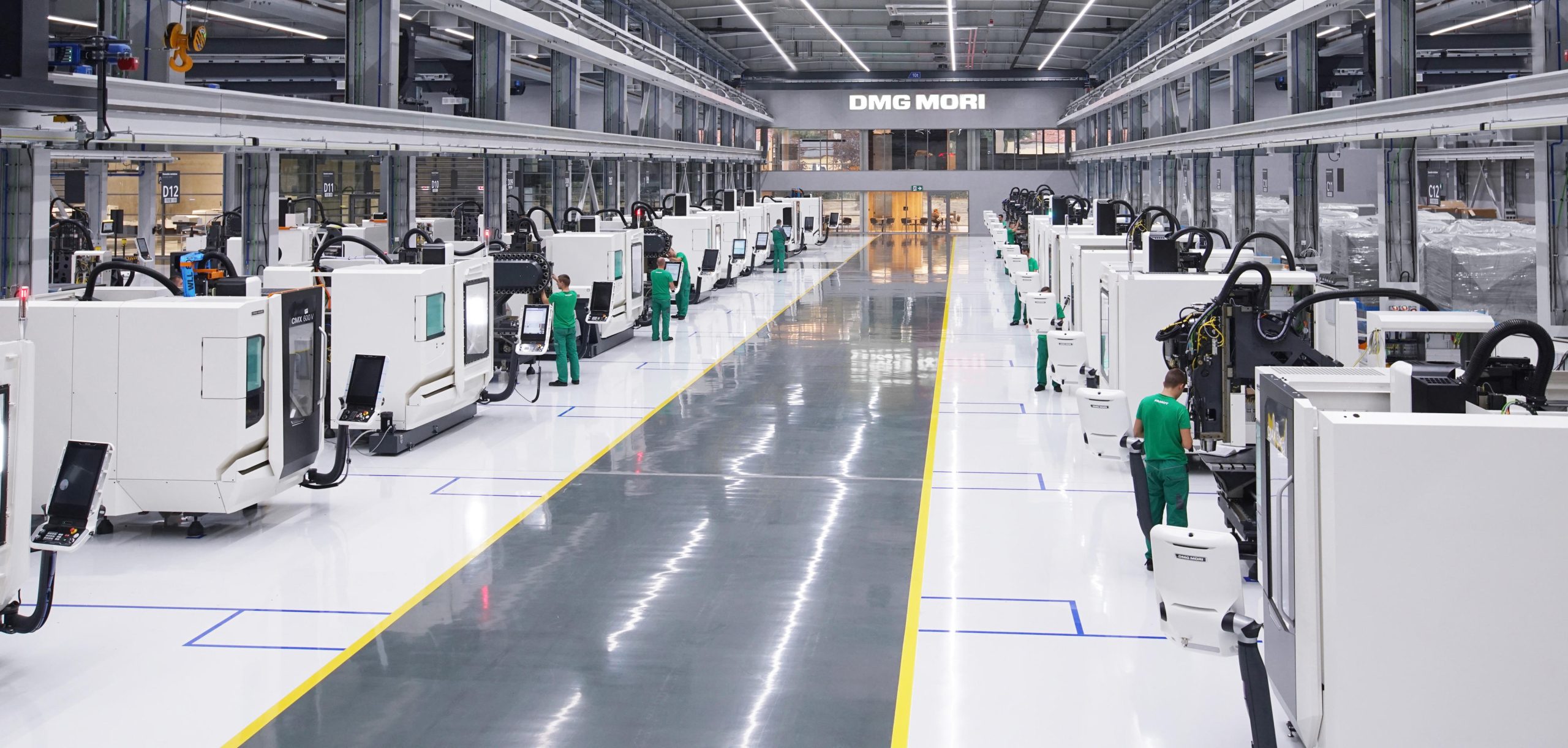
The new plant will sit in Pleszew alongside the FAMOT plant, one of the company's main production sites in Europe. FAMOT was founded in 1877 as a maker of agricultural machinery and joined the DMG MORI group in 1999. Besides building 5-axis machines and other models, it machines key components, including large castings, and supplies them to other group sites. In 2018 the company invested about ¥8 billion to expand FAMOT's building area from 20,000 to 50,000 square metres. A site that has machined castings will now add the process of making them.
The company has not said what share of its European casting needs the 20,000 tonnes would cover, or how much outside procurement it would replace.
¥14 billion from the share issue, without new borrowing
On 12 August 2026, DMG MORI decided to issue 15 million new shares in overseas markets to institutional investors in Europe and Asia, and set the issue price at ¥3,349 per share the same day. The payment date was 27 August, and estimated net proceeds are ¥47.7 billion. The company plans to allocate ¥15 billion to a new plant in Nagaoka, Niigata Prefecture, Japan, due to start operation in January 2027; ¥14 billion to the Polish plant; ¥6 billion to an R&D centre and showroom in Chicago, US; ¥2.7 billion to expanding capacity for in-house key components; and ¥10 billion as a reserve for mergers and acquisitions.
The ¥14 billion for the Polish plant is to be spent by the fiscal year ending December 2028. The company describes its purpose as "strengthening supply chain resilience and significantly reducing CO₂ emissions". DMG MORI's stated policy from fiscal 2025 onward is to limit capital expenditure to around ¥30 billion a year and reduce interest-bearing debt using operating free cash flow. By using proceeds from the share issue, it has, at least for this plant, designed the funding so that it does not depend on new borrowing.
A ¥303 billion backlog as a tailwind for the decision
Rising orders provide a tailwind for the investment decision. Consolidated orders for January to June 2026 rose 34.8% year on year to ¥335.2 billion, a record level for a half-year. Orders grew in every region, including 35% in Europe, the Middle East and Africa (EMEA) and 72% in China. By industry, they increased across a wide range of sectors apart from automotive, including aviation, space, defence, medical, data-processing-related demand including semiconductor manufacturing equipment, power and dies and moulds.
The backlog for machine orders rose from ¥240 billion at the end of December 2025 to ¥266 billion at the end of March 2026 and ¥303 billion at the end of June. The company says it is increasing output, but orders are growing faster than expected and the backlog is still rising. Across Japan's machine tool industry, the order backlog exceeded ¥1 trillion at the end of August, according to the Japan Machine Tool Builders' Association, and manufacturers are rushing to expand production. When backlogs build up, uncertain access to key components before assembly can constrain shipments.
The new Polish plant, however, will not start production until 2030, three to four years after construction begins. DMG MORI expects its end-June backlog to contribute to sales in the second half of 2026 and the following fiscal year. The new plant is not designed to work through the backlog now piling up.
Supply worries in Europe's foundry sector, while CO₂ efforts started first in Japan
Buying castings from outside suppliers in Europe also faces some causes for concern. In Germany, two foundries making castings for machinery filed for insolvency proceedings in 2025, and the administrator cited high raw material and energy costs and customers holding back investment. There is no information showing that either company supplied DMG MORI, and no direct link to this investment can be established. The cases are better viewed as an indication of the business environment for buying castings in Europe.
On CO₂, the second stated aim, the company has already started related efforts in Japan. Japan's DMG MORI Castech, a group company based in Izumo, Shimane Prefecture, crushes and melts castings collected from customers' used machine tools and uses the material for new beds and columns. Compared with casting from pig iron, the company had planned to cut CO₂ emissions by about 900 tonnes in 2024 and about 1,800 tonnes in 2025. It has not said whether the new Polish plant will adopt the same approach, so the scale of the reduction cannot yet be judged.
Japan's Tsugami adds a foundry in India as reliable access to key components gains importance
DMG MORI is not the only Japanese machine tool maker bringing casting in-house. Japan's Tsugami, a leading maker of automatic lathes, opened a new site near Chennai in southern India in December 2025 that combines an assembly plant with capacity of 3,000 machines a year and a foundry with capacity of 6,000 tonnes a year.
During a period of continued production expansion, reliable access to key components is becoming more important alongside machine performance. Machine tool makers investing in casting, an early, upstream stage of production, appears to reflect that trend.
The immediate focus is DMG MORI's results for January to September, scheduled for 30 October: whether the backlog has grown further, or whether higher output has begun to work it down. For the Polish foundry, the question is how fully the company will utilise its annual capacity of 20,000 tonnes once production starts in 2030, how much it will shift away from outside procurement and how much CO₂ it will cut. The ¥14 billion investment is less a bet on future demand than a move to gain greater control over its European supply chain from 2030 onward.